If you typed "co ax cable", you are looking for the same thing as "coax cable" or "coaxial cable" — one product, three spellings. The short answer is that a coax cable is a transmission line built from two conductors sharing a single axis: an inner conductor that carries the signal and an outer shield that returns the current and blocks outside interference. The gap between them is filled with a dielectric that holds their spacing constant.
Ta geometrija je cijela poanta. Because the spacing never changes along the length, the cable presents the same characteristic impedance at every point, so the wave travels forward instead of bouncing back. Everything else — how far a run can go, which connector fits, whether the cable survives outdoors — follows from three things: impedance, frequency and shielding.
What Is a Coax Cable?
A coax cable is an unbalanced transmission line: the signal rides on the centre conductor, while the outer conductor acts as the return path and the reference ground.
Four concentric layers do the work, and each covers something the others cannot.
| Layer | Tipičan materijal | Funkcija |
|---|---|---|
| Središnji vodič | Solid or stranded copper, copper-clad steel, silver-plated copper | Carries the signal; its diameter is one half of the impedance equation |
| Dielektrik | Čvrsti ili pjenasti polietilen, PTFE, FEP | Fixes the conductor spacing and sets the velocity of propagation |
| Štit | Pletenica, folija ili kombinacija folije i pletenice | Povratni put i interferencijska barijera; pokrivenost je navedena u postocima |
| Jacket | PVC, PE, LSZH, FEP | Mechanical and environmental protection |
Impedancija comes from the ratio of the shield's inner diameter to the centre conductor diameter, combined with the dielectric constant of the insulation. That is why two cables can look almost identical and still be a 50-ohm part and a 75-ohm part.
Legacy designations such as RG-59, RG-6 and RG-58 are still used as shorthand. They describe a size and impedance family, not exact electrical performance, so the datasheet always outranks the label.
50 Ohm or 75 Ohm: Match the Impedance on Both Ends
Conclusion first: 50-ohm and 75-ohm coax are not interchangeable in a live RF path, even when the connectors happen to screw together.
The impedance is chosen by the equipment, not by the cable. Radio, antenna, test and instrumentation ports are almost always 50 ohmaaaa. Video distribution and cable television are built around 75 ohmaaaa, which is why an F-type connector looks so different from an N or SMA.
| Property | 50 ohm | 75 ohm |
|---|---|---|
| Typical systems | Radio, antenna feeders, test benches, instrumentation | Video, CATV, širokopojasna distribucija, ispadanje modema |
| Common interfaces | SMA, SMB, MCX, BNC (50 ohm), TNC, N, 7/16 DIN, 2.92 mm | F tip, BNC (75 ohm), 1.6/5.6 (L9) varijante |
| Power handling | Higher, because the geometry keeps peak voltage stress lower | Lower; cilj dizajna je mali gubitak, a ne velika snaga |
| Gubitak pri istom vanjskom promjeru | Slightly higher | Slightly lower |
| Result of mixing them | Reflections, ripple in the frequency response, and avoidable loss at both ends | |
The trap is that some interfaces exist in both impedances. BNC and 1.6/5.6 are the classic examples: a 75-ohm BNC and a 50-ohm BNC mate mechanically but are electrically different parts. Always confirm impedance before ordering, and never assume from the connector's shape.
Koliko vas zapravo košta neusklađenost
Conclusion first: an impedance mismatch turns part of the forward signal into a reflection, and that energy does not vanish — it reappears as ripple, loss and heat.
The ratio of reflected to forward voltage is described by VSWR. A VSWR of 1.5 reflects roughly 4 percent of the power; VSWR od 2,0 odražava oko 11 posto. On a short receive-only run that may be invisible. On a long feeder or a transmitter, it shows up as:
- Ripple across the band instead of a flat response
- Smanjeni efektivni domet na anteni
- Warm connectors and cable ends at higher power levels
- Rising error rates on digital links that were previously stable
Mehanički problemi uzrokuju iste simptome. A loose braid, a partially crimped ferrule or a worn mating surface creates a small local impedance bump, and every joint in the chain multiplies the effect.
Uobičajene vrste koaksijalnih kabela i gdje odgovaraju
Conclusion first: choose the cable by impedance, loss per metre at your highest frequency, and the physical environment — in that order.
| Kabelska obitelj | Impedance | Tipična primjena |
|---|---|---|
| RG-59 | 75 ohm | Kratki analogni video zapisi i stari CCTV; modest shielding |
| RG-6 | 75 ohm | Satelitski, CATV i modemski prijenosi; bolja zaštita od RG-59 |
| RG-11 | 75 ohm | Longer 75-ohm runs where the larger diameter pays for itself in lower loss |
| RG-58 | 50 ohm | Kratki skakači male snage i klupe |
| RG-213 | 50 ohm | Deblji 50-ohmski pogon s boljim rukovanjem snagom |
| Pjenasto-dielektrični kabel s malim gubicima | 50 ohm | Antenna feeders where loss per metre is the deciding factor |
| Semi-rigid | 50 ili 75 ohma | Fiksni, fazno stabilni radovi; vanjski vodič je puna bakrena cijev |
| Semi-flexible | 50 ili 75 ohma | Runs that must hold phase reasonably well yet still be formed by hand |
For short patch leads the difference between these families is small. Past a few metres, and above roughly 1 GHz, the loss figure in dB per 100 m at your working frequency becomes the number that decides whether the link works.
The Connector Often Sets the Limit, Not the Cable
Conclusion first: on most short and medium runs, the connector interface and the quality of its attachment limit performance before the cable does.
Tri odluke pokreću rezultat:
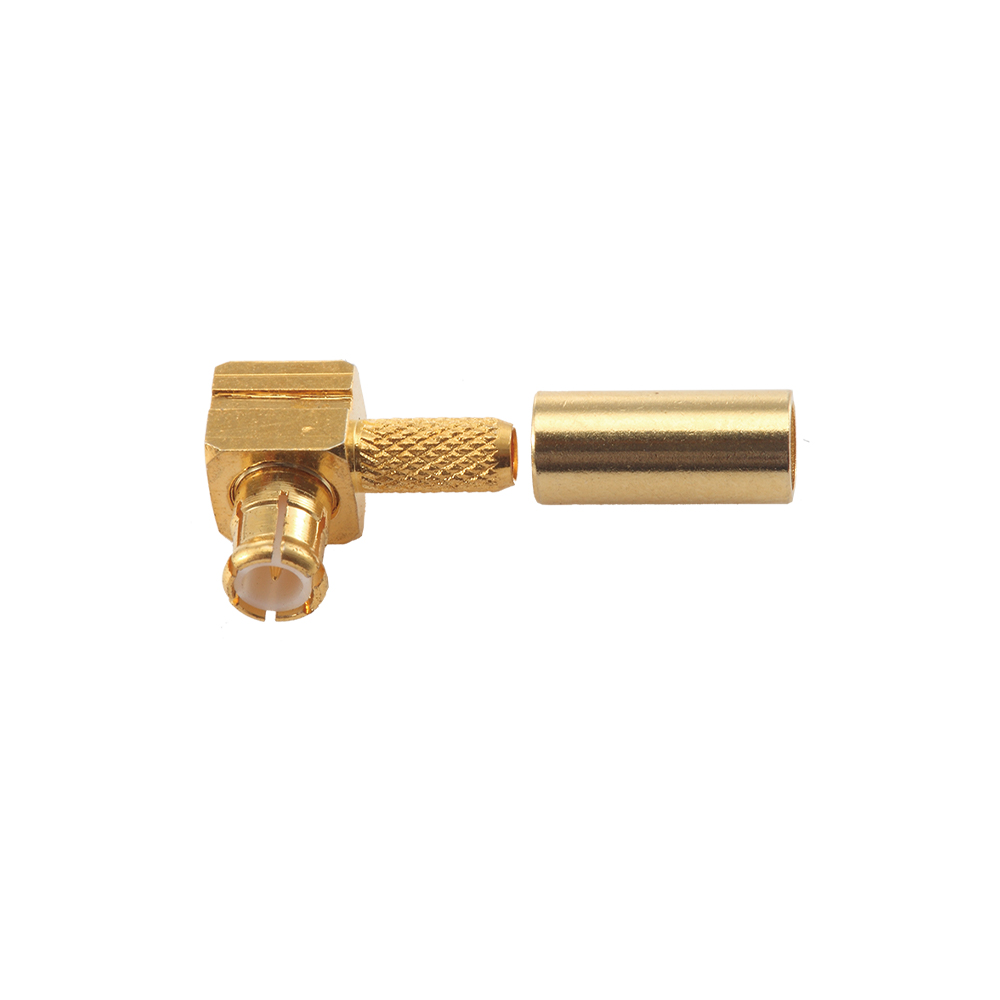
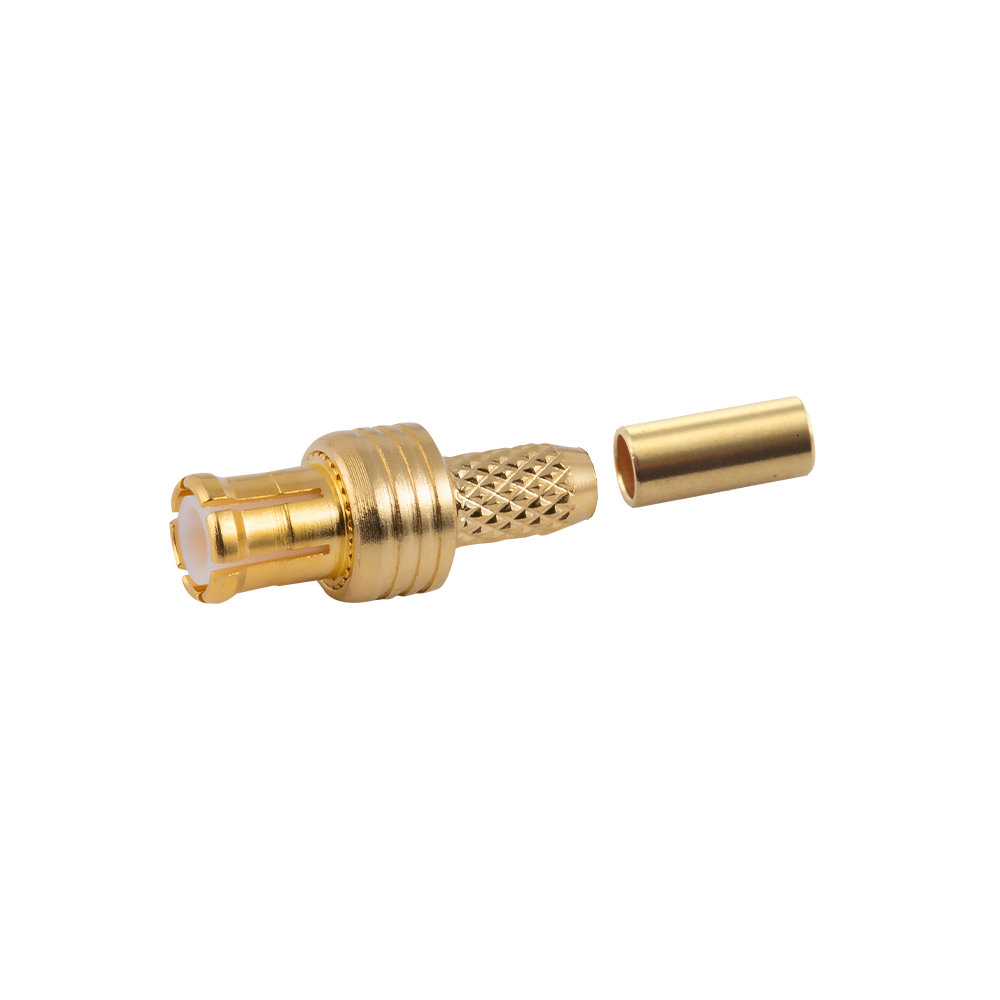
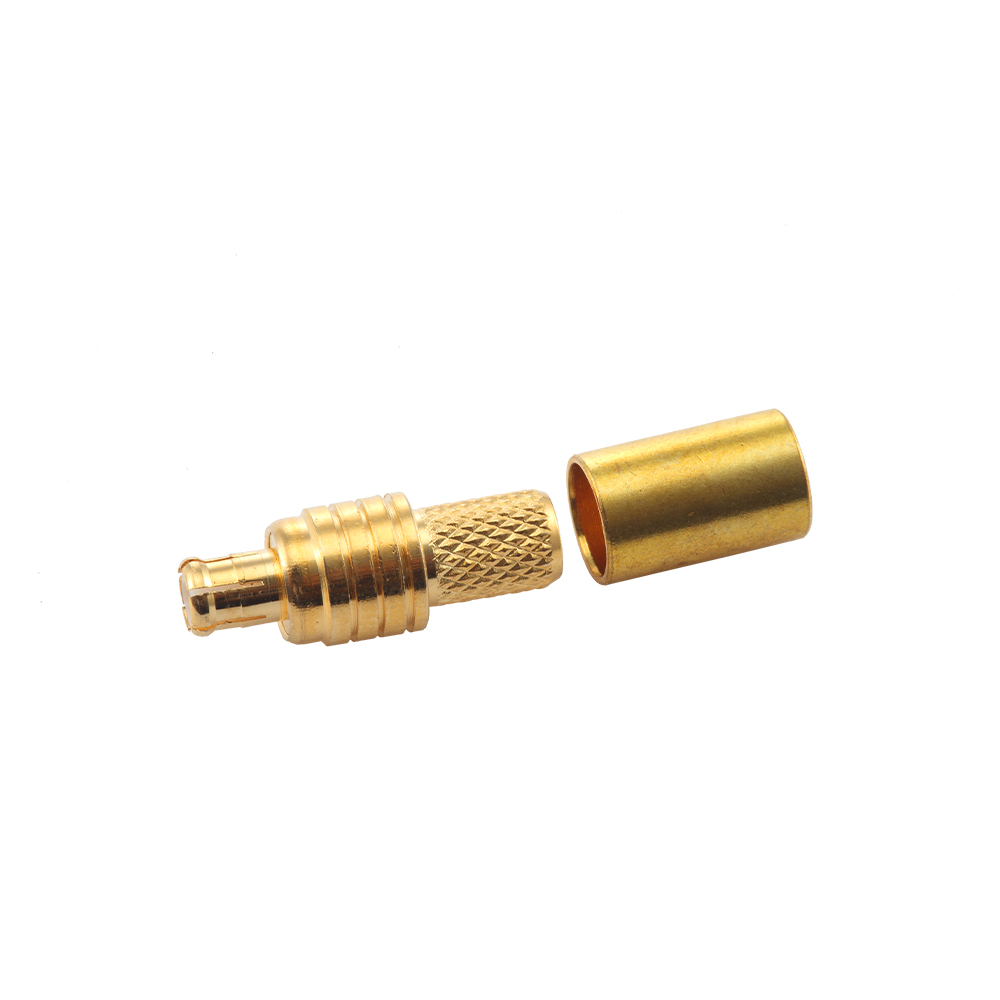
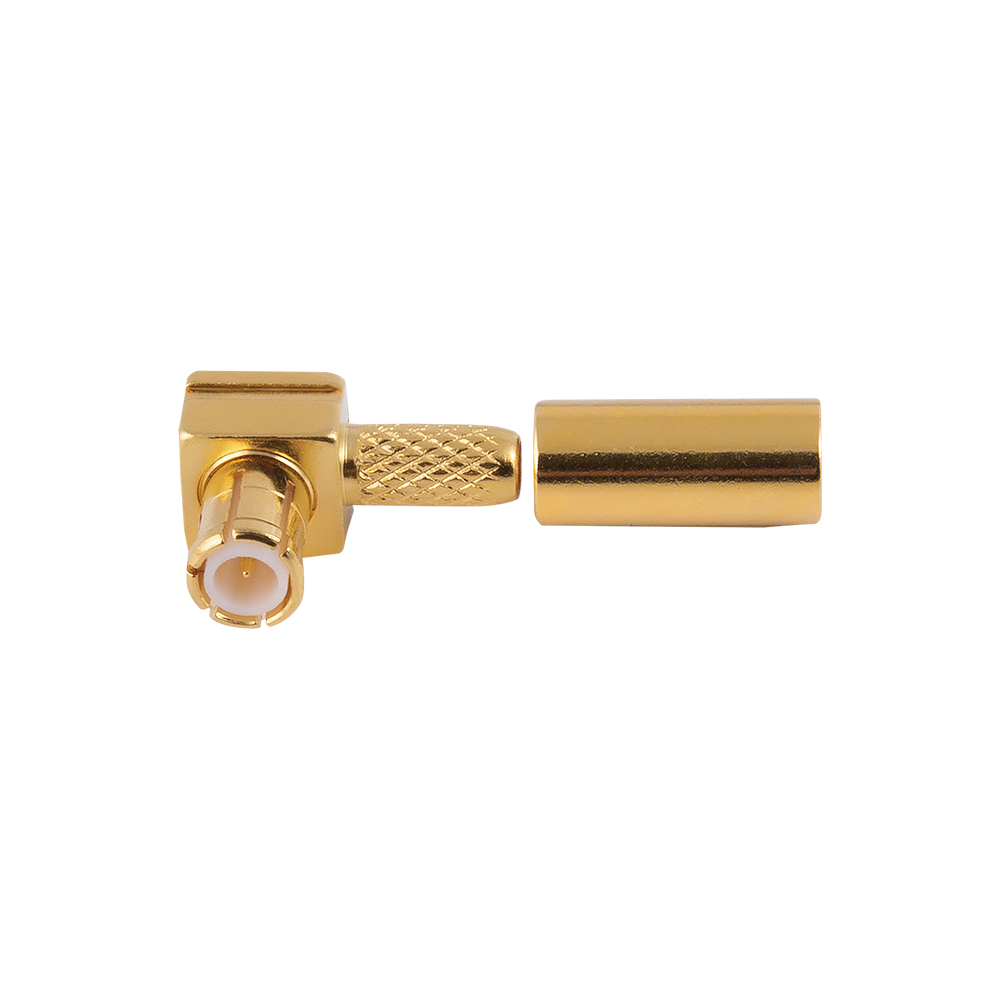
- Interface series. SMA, MCX, SMB, SMC, BNC, TNC, N, 7/16 DIN, 2.92 mm and SMP each carry their own frequency range, mechanical size and mating style. Minijaturno sučelje štedi prostor; a larger one usually survives more mating cycles and handles more power.
- Način pričvršćivanja. Crimp, clamp, solder and solderless push-on terminations suit different cable constructions. A poor crimp raises contact resistance and adds a small impedance bump that is easy to measure and hard to see.
- Stil montaže. Cable-end, PCB, bulkhead, flange and microstrip versions of the same interface solve different mechanical problems, from a panel feed-through to a board launch inside a housing.
Where the run is long or the environment is harsh, matching the connector plating and the cable's shield type matters as much as the interface name. For a fuller breakdown of interface families and their selection criteria, the site's own guide to RF coaxial connector types, specs and selection tips koristan je dodatak ovom popisu za provjeru.
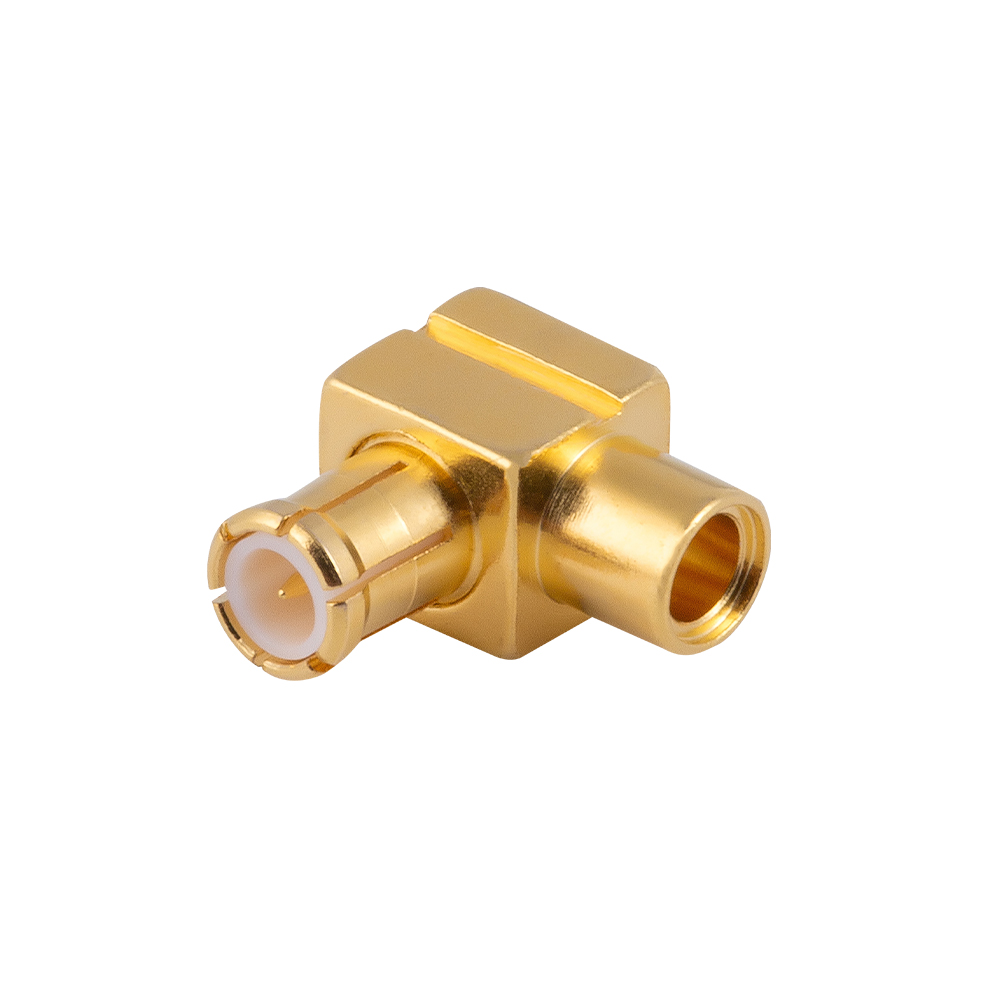
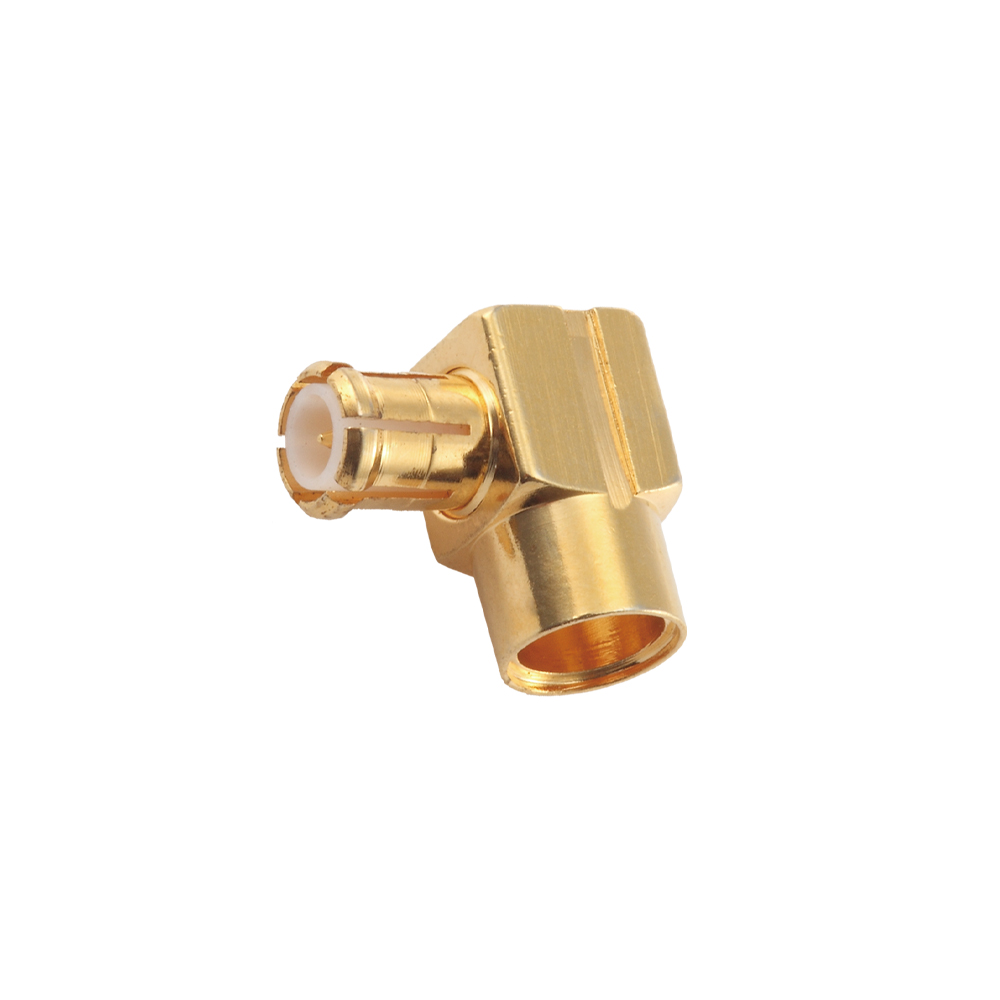
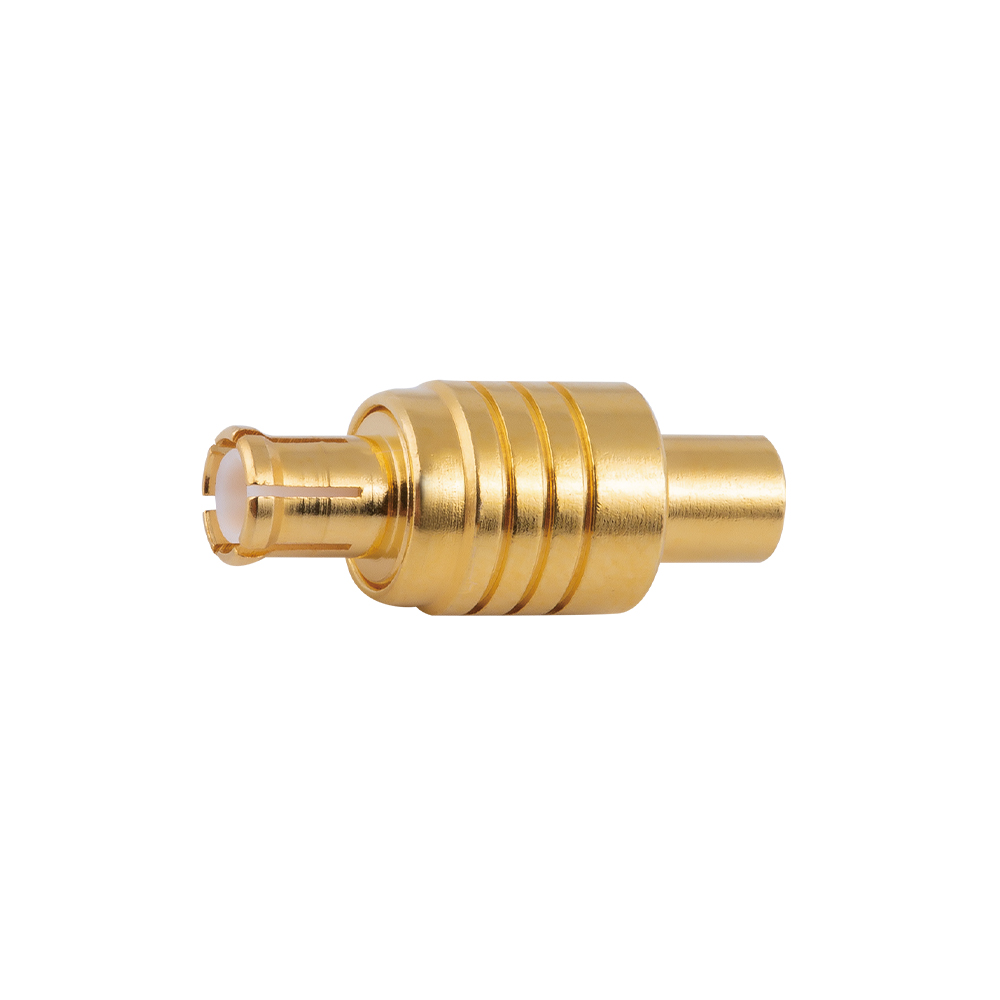
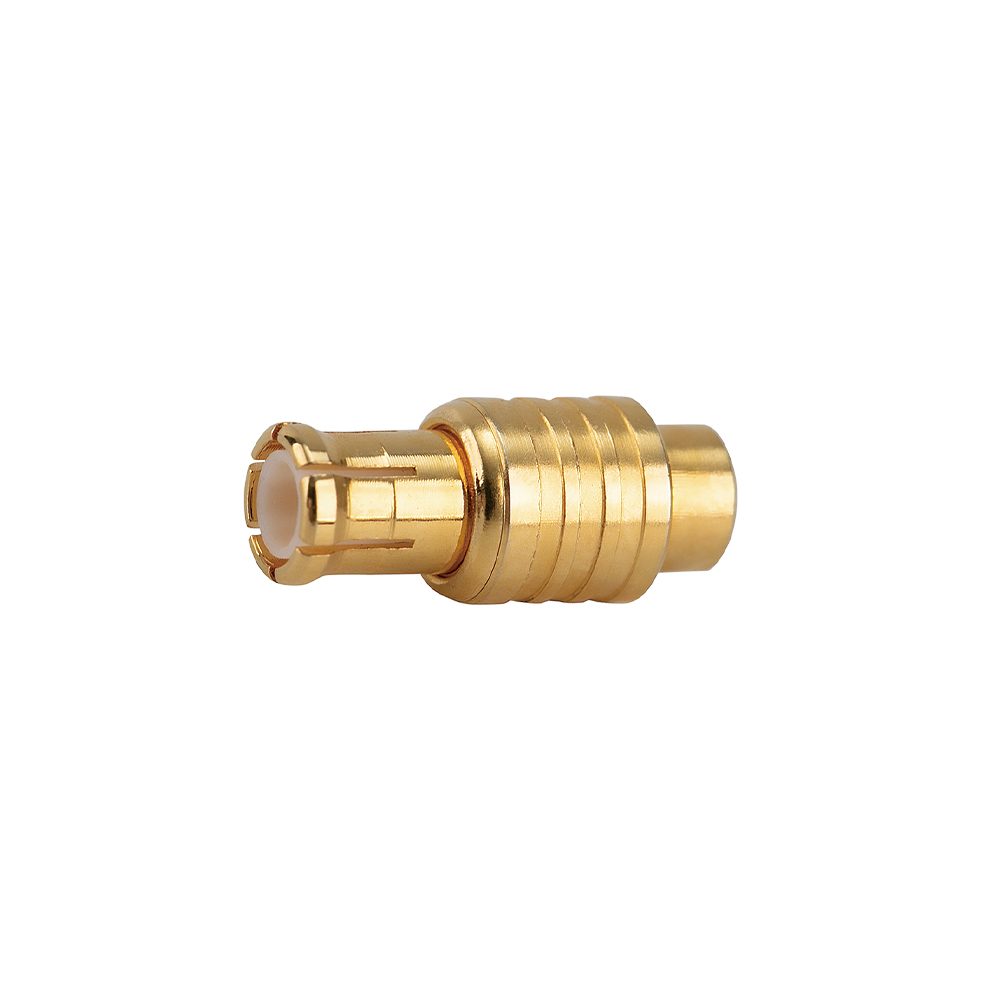
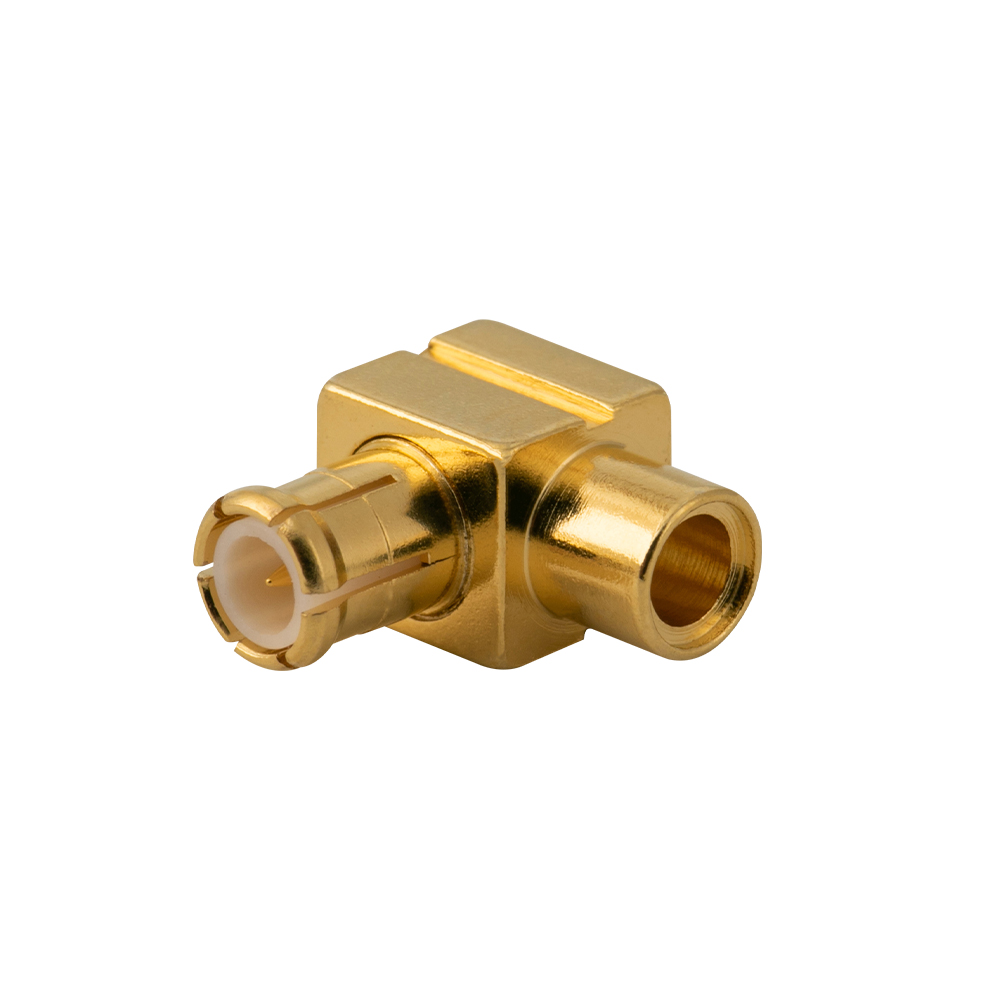
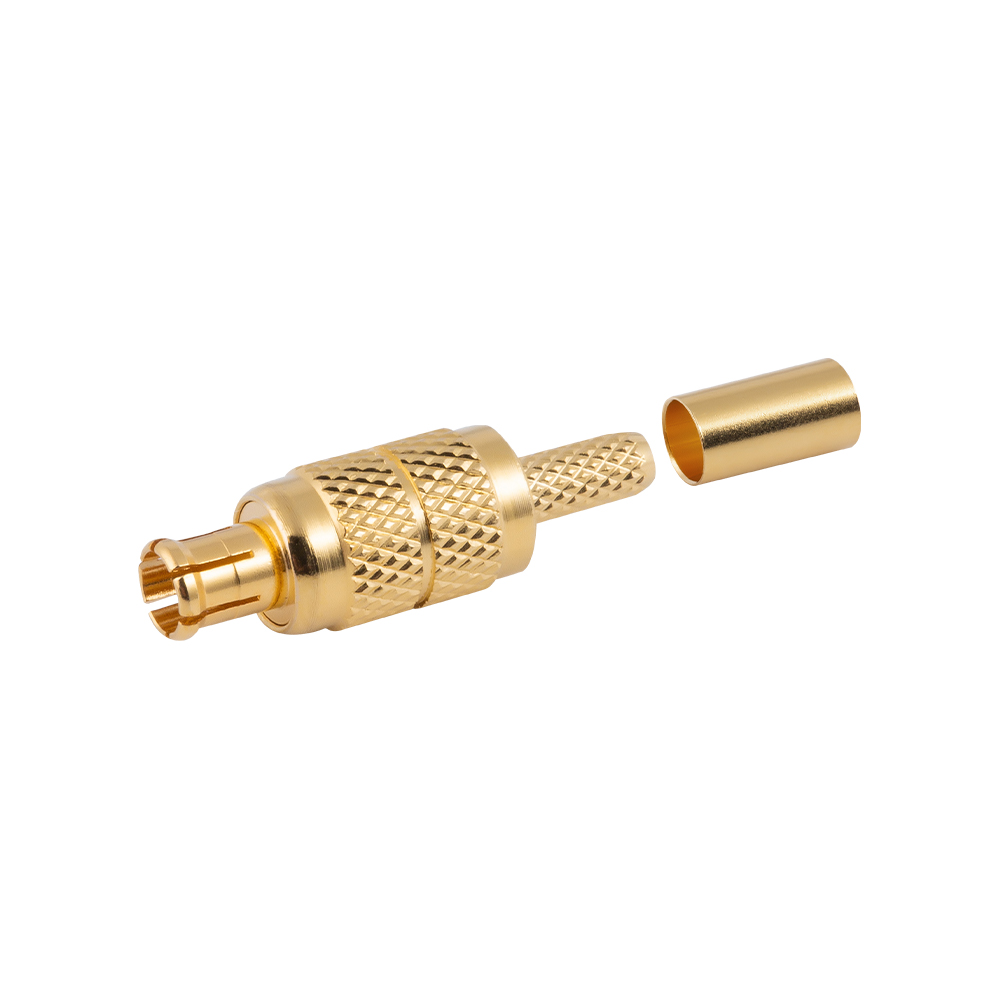
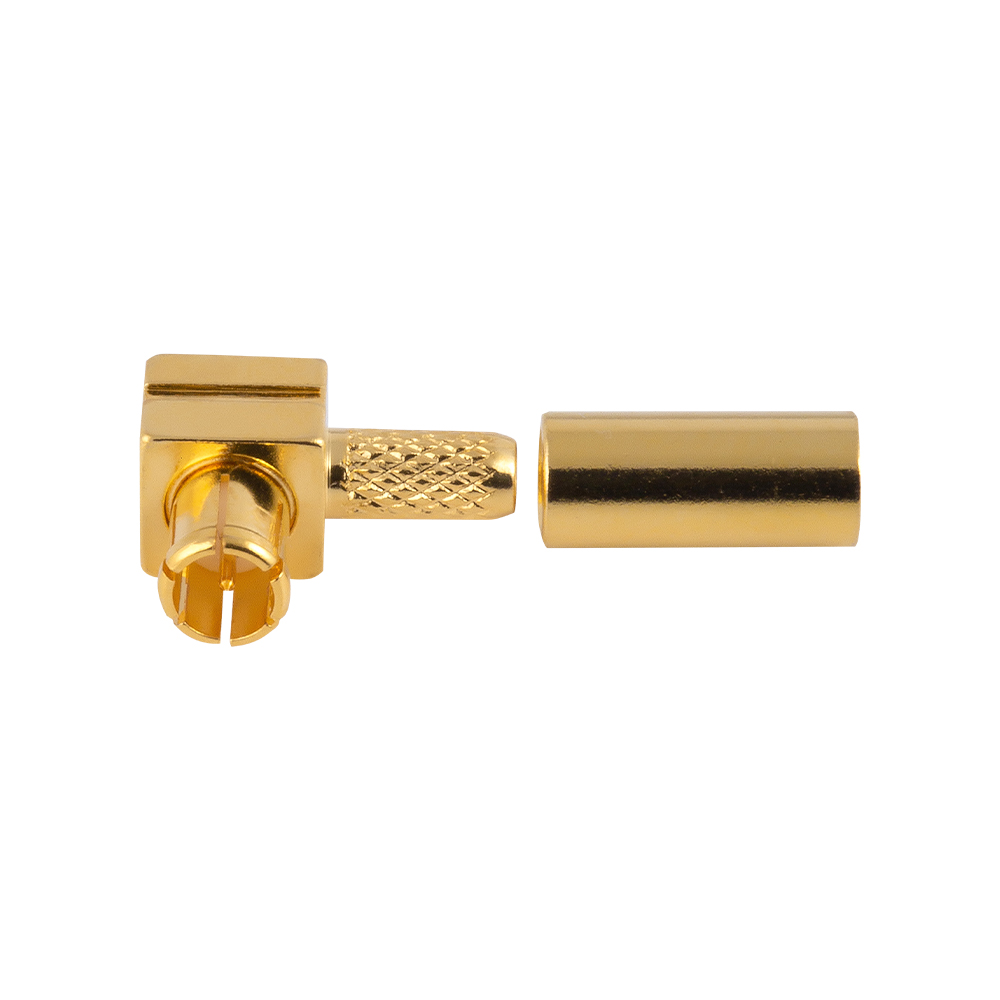
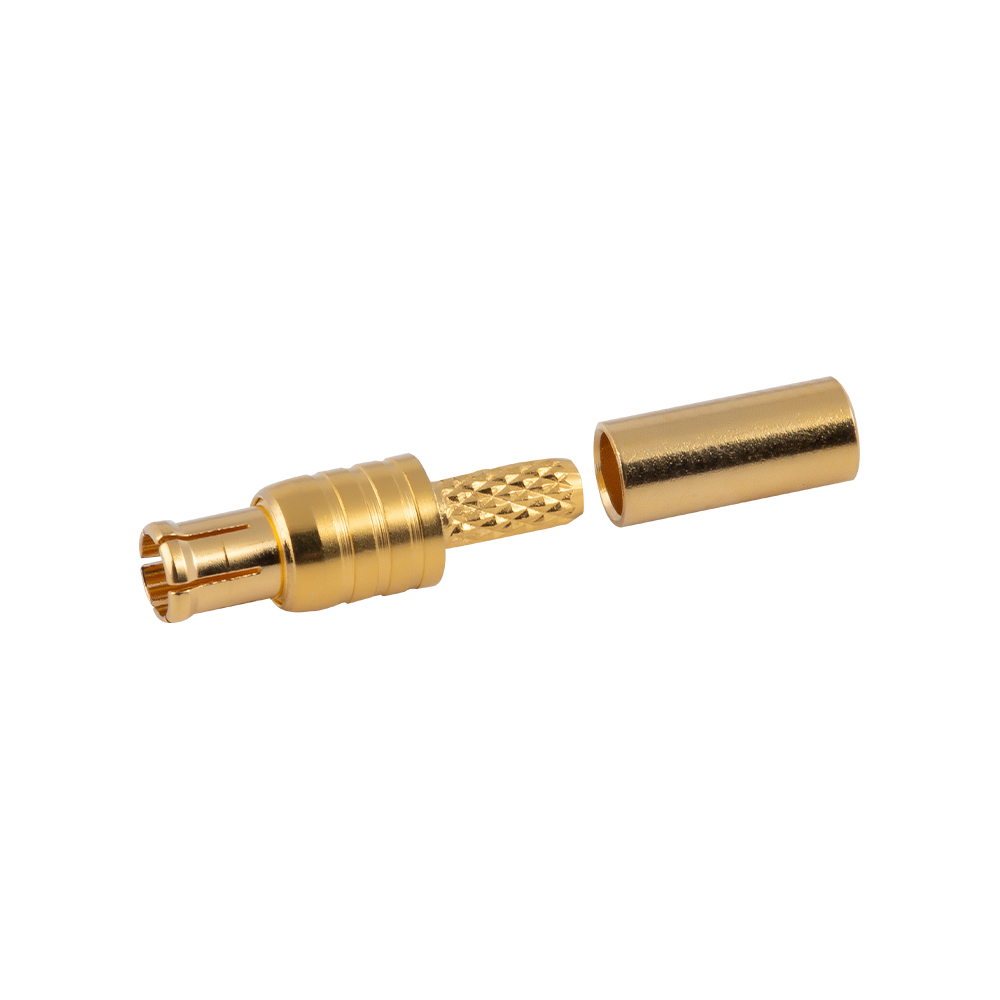
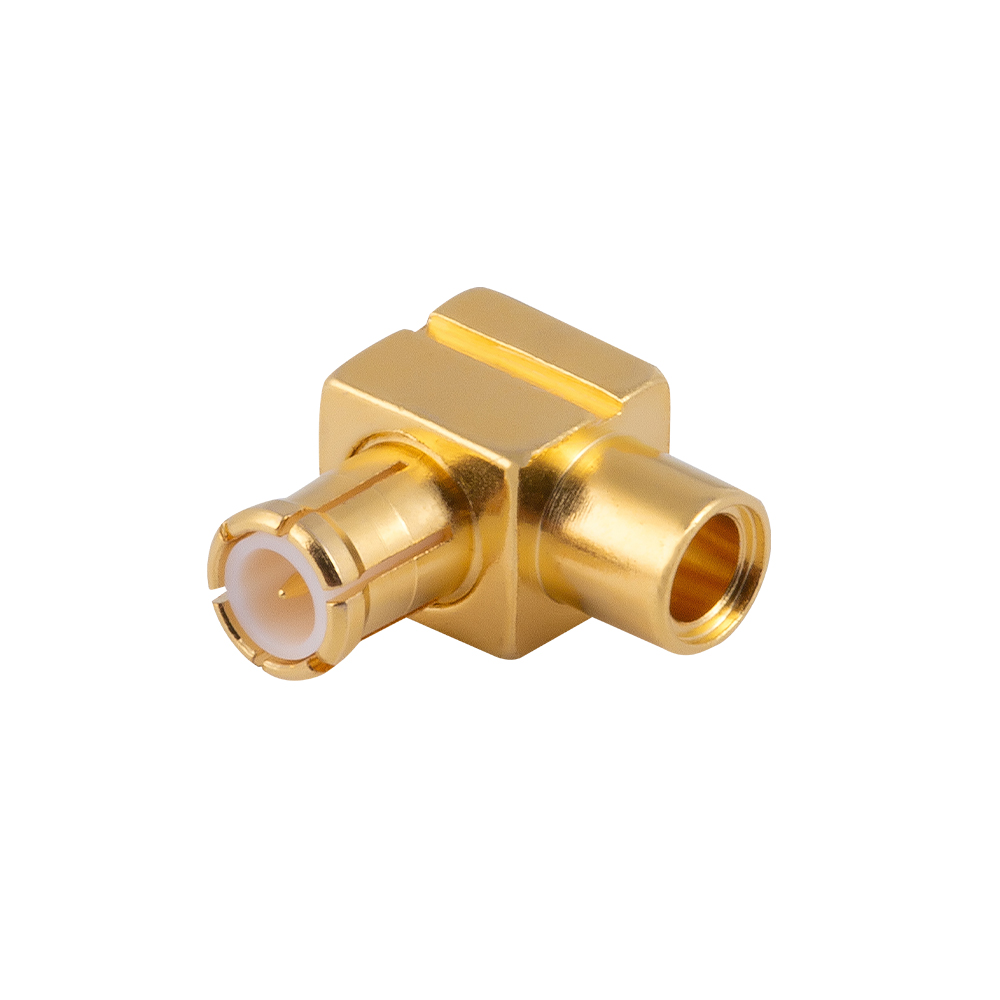 RF Coaxial Connectors for Cable, PCB, and Panel Mounting Browse MCX, SMA, BNC, N, andrelated RF coaxial connectors, including cable, PCB, flange, and bulkhead mount options for varied assemblies. Pogledajte proizvod →
Adapters and Reverse Polarity: When the Interfaces Do Not Match
Conclusion first: use an adapter only when you cannot re-terminate the cable, because every extra interface adds a little insertion loss and one more joint that can work loose.
Adapteri se dijele u tri praktične skupine:
- Intertype adapteri — 7/16 to N, BNC to SMA, SMA to SMP, N to TNC and similar, joining two different series.
- Unutarnji adapteri — the same series on both ends, used for gender changes or as a sacrificial part that is cheaper to replace than a panel port.
- Adapteri obrnutog polariteta — RP-SMA, RP-TNC and RP-N versions, where the interface looks standard but the centre contact gender is reversed.
Reverse polarity exists so that a radio and its antenna cannot be joined with an ordinary consumer part. It is a deliberate constraint, not a defect, and the mating half must also be reverse polarity — a standard SMA will not mate properly with an RP-SMA no matter how carefully it is turned.
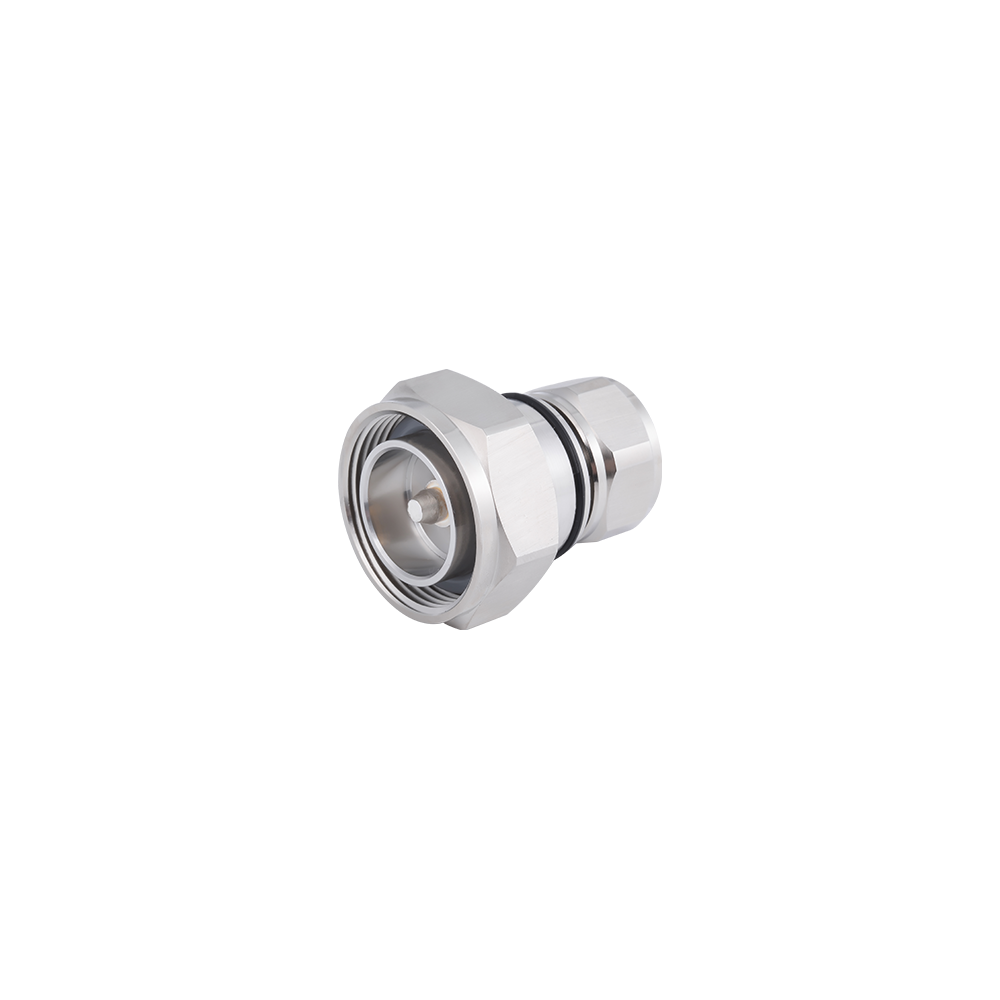 RF Coaxial Adapters for Interface and Gender Conversion Compare inter-type, within-type, and reverse polarity adapters covering SMA, N, BNC, 7-16, and other RF interface combinations. Pogledajte proizvod →
Surge Protection for Runs That Leave the Building
Conclusion first: any coax that goes outdoors should pass through an inline lightning protector before it reaches the radio.
Coaxial protectors are chosen by interface, by connector gender, and by the frequency band they must pass with minimal loss. A protector that is transparent at 450 MHz may be useless at 6 GHz, so the passband specification matters more than the surge rating alone. Interfaces cover SMA, BNC, TNC, N, 7/16 DIN, F type, UHF, TAC, FL10 and RP-SMA, which means the protector can normally be inserted without an adapter.
Two practical points save trouble later: keep the protector's own pigtail or ground lug as short as possible, and mount it where it can be reached for inspection, because a protector that has absorbed a strike should be replaced rather than trusted.
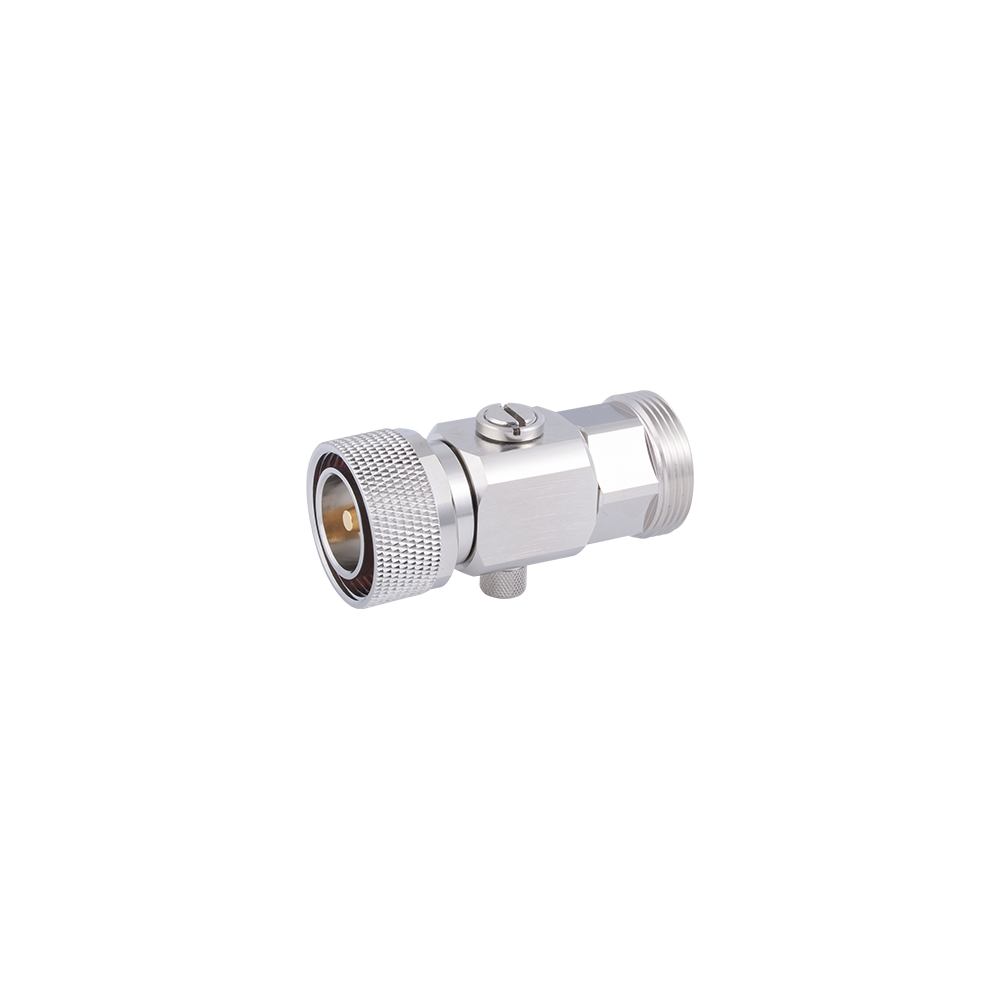 Coaxial Lightning Protectors for Inline RF Feeder Protection Review gas discharge, quarter-wave, and hybrid protectors for N, BNC, F, SMA, and other coaxial series in outdoor RF paths. Pogledajte proizvod →
Praktičan kontrolni popis prije naručivanja
Conclusion first: confirm impedance, frequency, environment and mechanical interface in that order, and most ordering mistakes simply disappear.
- Confirm the impedance at both ends of the run, not just at the end you can see.
- Note the highest frequency and the run length, then check the cable's loss per 100 m at that frequency.
- Check the shield coverage and the environment — indoor, outdoor, UV exposure, temperature, flexing.
- Pick the connector interface from the equipment port, then the attachment method from the cable construction.
- Decide the mounting style and measure the panel thickness for bulkhead and flange parts.
- List the tolerances you care about: mating dimensions, coupling torque, and cable retention force.
- Prebrojite zglobove. Every adapter, bulkhead feed-through and protector adds loss and one more point of failure.
- Kupite dijelove za kraj kabela i kraj ploče od isti dobavljač RF komponente so that tolerances and plating are consistent across the assembly.
Često postavljana pitanja
Is "co ax cable" a different product from a coax cable?
No. It is the same cable typed with a space in the middle. Coax, coaxial and co-ax all refer to a cable with an inner conductor and a concentric outer shield.
Mogu li koristiti kabel od 75 ohma na radiju od 50 ohma?
You can connect it, but you should not expect it to work well. The mismatch creates reflections and extra loss, and the effect grows with cable length. Use 50-ohm cable and 50-ohm connectors for radio equipment.
Znači li duži nagon uvijek veći gubitak?
Da. Loss is specified in dB per 100 m at a stated frequency, so it scales with both length and frequency. Udvostručenje duljine otprilike udvostručuje gubitak; prelazak na viši pojas opet košta više.
What is the difference between single and double shielded coax?
Jednostruki oklopljeni kabel koristi samo pletenicu. Double shielded adds a foil layer, usually bonded to the dielectric, which raises coverage and improves rejection of interference — useful near motors, switching supplies and dense cabling.
Smanjuju li adapteri signal?
Each adapter adds a small insertion loss, often a few tenths of a dB, plus one more mechanical joint. Jedan adapter rijetko je problem; lanac od četiri je mjerljiv.
To summarise: a coax cable is defined by its concentric geometry, and its behaviour is set by impedance, frequency and shielding. Confirm the impedance of the ports, check the loss at your highest frequency, choose the connector interface that matches the equipment, and keep the number of joints small. Do those four things and the rest of the specification follows naturally.